My Body
KNOW IT, NOURISH IT, EMPOWER IT
Science-backed insights and practical wisdom to help you understand your body better. This section is dedicated to helping you build a deeper connection with your body—how it functions, what it needs, and how to support it for lifelong wellness. From hormone balance and digestion to energy, immunity, and beyond, explore articles that simplify complex health topics and empower you to take informed, proactive steps toward your vitality.
Explore REcent Articles
An honest look at what separates composure from suppression, expression from flooding, and why the difference isn't visible on the surface at all.
Nobody asks me what calcium does. They already know. What they want to know is why it came back normal on their bloodwork and they still feel terrible. That question is why this book exists, and why two-thirds of the book I originally planned never got written.
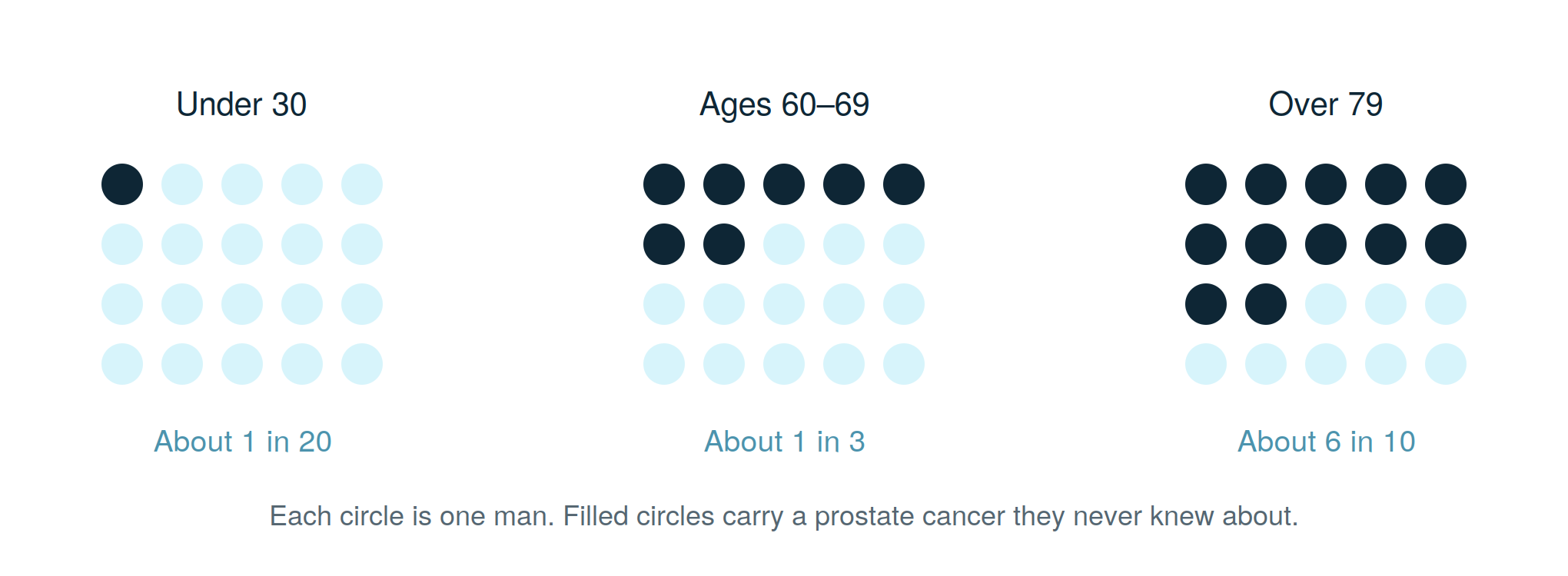
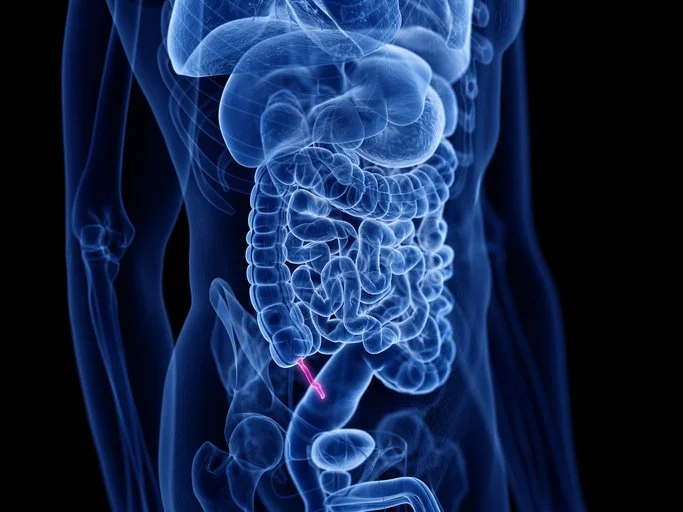
Most men ask how to prevent prostate cancer. That is the wrong question. By age 79, close to six in ten men are carrying one they will never know about. What matters is not avoiding the disease. It is avoiding the version that kills.
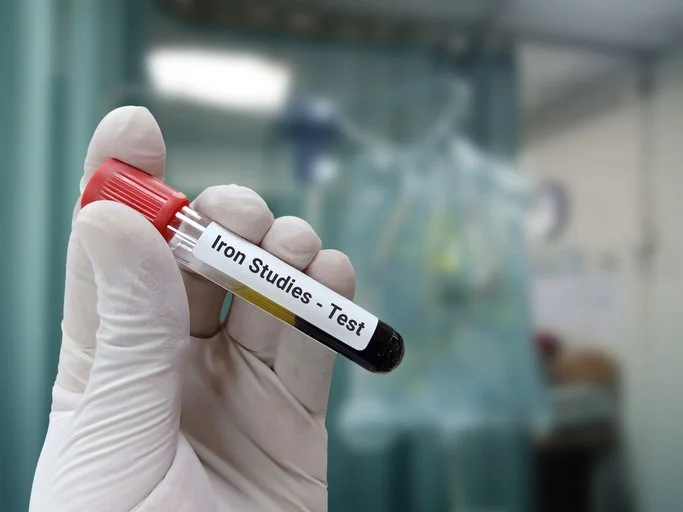
Your CBC came back normal but you're still exhausted? A normal hemoglobin doesn't mean your iron stores are full. Why ferritin catches what standard blood work misses.
Most of us react before we think — not because we lack discipline, but because no one taught us there was a space between the feeling and the reaction. This article explains how to build that space using evidence-based tools and why building it is only half the skill.
PMDD causes severe mood and physical symptoms in the days before your period. Learn why it happens and the evidence-based treatments that actually help.
Under stress, your brain can shift into survival mode before you have time to think. This article explains why the ability to pause is not just willpower, how stress changes the balance between the amygdala and prefrontal cortex, and how simple practices like slow breathing and reflection can help you respond with more control.
You can have normal cholesterol numbers and still carry an inherited heart risk most standard panels never measure. Here’s why Lp(a) matters, who should get tested, and what to do if your number is high.
Sepsis is one of the leading causes of death in U.S. hospitals, yet most people can't say what it is. Here's how an ordinary infection can turn deadly, the warning signs to know by heart, and the one sentence that could save a life.
Many well-researched tools build the space between feeling and action. We were never taught how to properly use it.