
“There's No Evidence" — Why Your Doctor Can't Recommend Peptides Like BPC-157

“My doctor said there’s no evidence. But I found hundreds of studies. What am I missing?”
If you've ever explored peptides like BPC-157 or thymosin alpha-1, you've probably heard this. You did your research. You found animal studies, mechanistic data, even small human trials. And yet your doctor dismissed it with four words: "There's no evidence."
What does that actually mean? And why does it feel like you're being shut out of a conversation about your own body?
A Story You Might Recognize
Robert is 62. Chronic Achilles pain for years. Failed physical therapy. Failed cortisone injections. His orthopedist says surgery is the next step.
But Robert does his own research. He reads about BPC-157 — a naturally occurring peptide with decades of preclinical research showing tissue-healing effects in animal and in-vitro models. He brings it up at his next appointment.

"I can't recommend that. It's not FDA-approved. There's no evidence."
Robert tries it anyway — sources it himself, injects it himself. Eight weeks later, his pain is gone. No surgery.
He's grateful. But he's also angry. Why couldn't anyone guide him? Why did he have to navigate this alone? And what, exactly, did his doctor mean by "no evidence"?
The Real Reason There's "No Evidence"
Here's what your doctor probably doesn't know — or doesn't have time to explain:
Bringing a drug from concept to FDA approval costs between $500 million and $2 billion. It takes 10-15 years. And pharmaceutical companies only invest that kind of money when they expect massive returns.
Those returns require one thing: the ability to own the drug exclusively. That means patents.
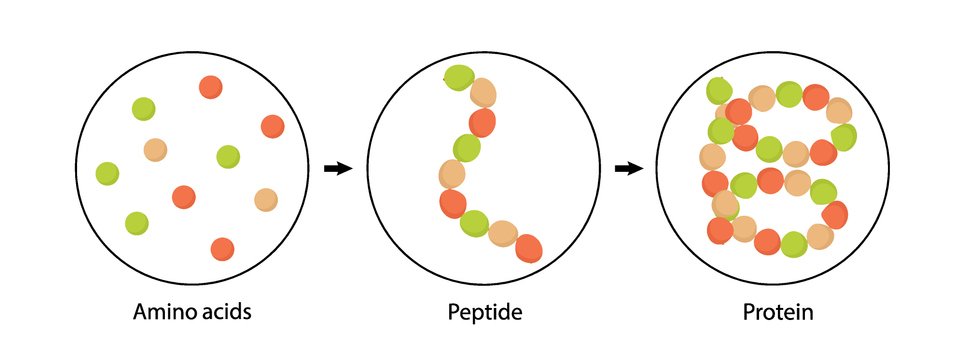
Natural peptides like BPC-157 exist in nature. They can't be patented in their native form. Anyone can make them. So no company will spend hundreds of millions proving they work — because competitors could sell the exact same thing the moment approval is granted.
No patent = no profit motive = no large-scale trials = "no evidence."
It's not that the science is bad. It's not that these compounds have been proven ineffective or dangerous. It's that the economics don't support the studies that would generate the "evidence" doctors are trained to require.
The absence of Phase 3 trials isn't proof of failure. It's often proof of financial impossibility.
The Asymmetry That Should Trouble You
Here's where it gets personal.
Every FDA-approved drug comes with known side effects — sometimes serious ones. Statins can cause muscle damage. Blood thinners can cause fatal bleeding. Antidepressants carry black box warnings for suicidal ideation. Opioids carry risks of addiction and death.

Patients accept these known risks every day. They do it together with their doctors, weighing documented benefits against documented harms. And they're trusted to make that choice.
That's informed consent. That's patient autonomy. That's how medicine is supposed to work.
But when a therapy's risks are unknown rather than known to be harmful? The system responds differently. The absence of large-scale safety data becomes grounds for dismissal, prohibition, or silence.
Think about what that means:
You can choose a drug known to cause liver damage
But you can't choose a peptide whose risks are simply unstudied
A patient can accept documented risk of organ failure. But that same patient is told they cannot reasonably choose a therapy whose risks were never studied — not because it was proven harmful, but because proving it safe wasn't profitable.
The distinction isn't safety. It's documentation. And the documentation is missing because no one could make money creating it.
The Monitoring Question
A fair counterargument: if we know a drug's risks, we can monitor for them. Check liver enzymes. Monitor blood counts. Watch for warning signs.
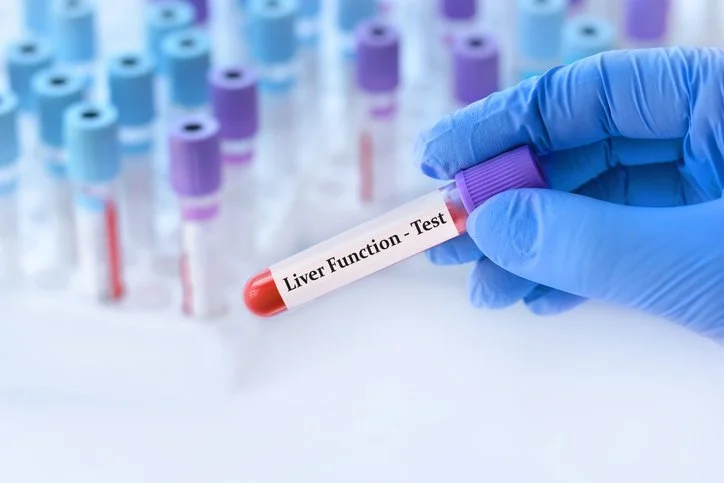
Unknown risks offer no such roadmap.
This is true — but only partially.
Any patient on any therapy can be monitored for general signals of harm. Liver function. Kidney function. Inflammatory markers. Symptoms. You don't need to know the specific risk to watch for general signs of trouble.
And here's the uncomfortable truth: many "known" risks weren't known at approval. They emerged later — sometimes after millions of patients were exposed. Vioxx's cardiovascular risk. Avandia's cardiac signal. Zantac's carcinogen concerns. The opioid epidemic itself.
Phase 3 trials don't guarantee safety. They establish a regulatory threshold. That's not the same thing.
Patients already accept unquantified risk all the time — through off-label prescriptions, supplements, surgical variability, and lifestyle choices. The idea that all risk must be fully documented before you're allowed to choose is not how medicine actually works.
What "Unregulated" Actually Means
There's a legitimate concern here, and it's worth addressing directly.
Without FDA approval, there's no regulatory oversight of manufacturing quality. That means:
Purity claims may be self-reported
Certificates of analysis may not be independently verified
Sterility and endotoxin testing may be inconsistent or absent
What's on the label may not be what's in the vial
This is real. And if you're considering peptides or other unapproved therapies, you need to understand it.
It doesn't mean don't use them. It means do your homework. Source from reputable suppliers. Look for third-party testing. Work with practitioners who understand these therapies and can help you navigate safely.
The same system that prevents proof of efficacy also prevents assurance of quality. You're on your own — which means due diligence matters.
What You Deserve
You deserve honesty.
When a therapy lacks large human trials, the right question isn't just "Does it work?"
It's also: "Was it ever economically possible to prove it — and will it ever be?"
You deserve to know why certain evidence doesn't exist. You deserve transparency about the economics that shape what gets studied and what doesn't.
And you deserve the right to make your own informed choice about what level of uncertainty you're willing to accept — just as you do every time you fill a prescription with a long list of known side effects.
That's not recklessness. That's respect. That's autonomy. That's what informed consent actually means.
Patients aren't asking for guarantees. They're asking for honesty — and the freedom to decide for themselves.
You deserve that.
(Joy Stephenson-Laws is a healthcare attorney, certified holistic wellness coach, and founder of Proactive Health Labs. She is the author of "From Chains to Wings: A Poetry Revolution for Healing" and the children's book "Secrets That Sparkle (and Secrets That Sting)," which teaches children about emotional safety and the importance of trusted adults).