
When Your Adult Child Cuts You Off: Finding Peace This Holiday Season

By: Joy Stephenson-Laws, Holistic Coach, J.D., Founder
The holidays have a particular way of bringing everything to the surface—the joy, the cherished memories, and sometimes, the profound ache of what's conspicuously missing.
For many women, estrangement from an adult child feels especially acute during this season. The empty chair at the holiday table becomes impossible to ignore. The stocking remains tucked away in the closet. And the quiet, persistent question refuses to release its grip: How did we arrive at this place?
If you're reading this, you likely understand that weight intimately.
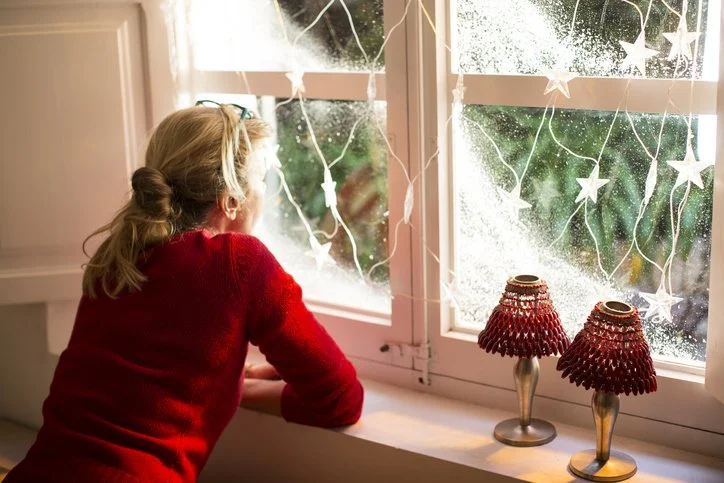
Recently, mothers experiencing estrangement have begun speaking more openly. They're finding community online and pushing back against what feels like a profoundly unfair narrative—one suggesting that parents bear sole responsibility for fractured relationships.
Their message resonates clearly: We weren't harmful parents. We devoted ourselves to raising our children. Our adult children have been influenced by therapeutic culture encouraging them to sever ties with supposedly "toxic" families.
For many women scrolling through their phones during sleepless holiday nights, this perspective offers genuine comfort.
However, there's a more nuanced conversation that deserves our willingness to engage.
Devoted Parenting Can Coexist With Unintentional Harm
Most parents genuinely did the best they were capable of doing.
They loved their children with fierce devotion. They made substantial sacrifices. They showed up in whatever ways their own upbringing had equipped them for.
That commitment matters immensely.
Nevertheless, love and sincere intentions don't automatically prevent the hurt that sometimes occurred regardless of our motivations.
Many parents raised their children during an era when discussing emotions openly wasn't culturally encouraged. You didn't dwell on difficult feelings—you persevered through them. You didn't process traumatic experiences—you compartmentalized them and continued functioning.

That approach served important purposes. It cultivated resilience and maintained family stability. But the coping mechanisms that helped one generation survive sometimes left the next generation feeling emotionally invisible—not because anyone consciously chose to inflict harm, but because that's how patterns move through families silently.
The Distinction Between Intention and Impact
One of the most challenging realizations for parents—particularly during the emotionally heightened holiday season—is this truth:
Good intentions can coexist with genuine harm.
This doesn't constitute evidence of abuse. It doesn't represent parental failure. It doesn't invalidate the love that motivated countless decisions.
It simply acknowledges your humanity—that you were raising children without access to the understanding and tools that contemporary research has made available.
Many estranged adult children aren't saying, "You deliberately damaged my life." They're expressing something more nuanced: "Certain experiences caused me pain, and those experiences were never acknowledged."
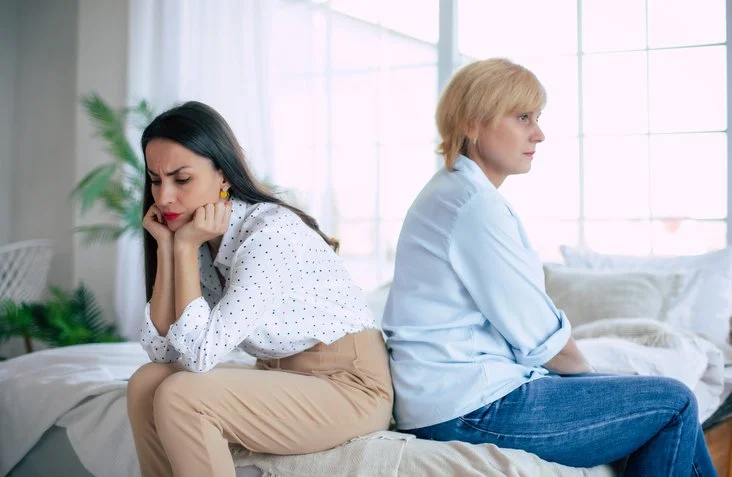
They're not pursuing punishment. They're seeking acknowledgment—someone willing to say, "I understand that your experience was painful, even though that was never my intention."
When Therapeutic Language Enters Family Conversations
We inhabit a cultural moment where psychological terminology has entered mainstream consciousness.
Concepts like boundaries, trauma, and emotional safety are no longer confined to clinical settings. They circulate through social media, podcasts, and everyday conversations.
For adult children, this vocabulary can prove liberating. For parents, however, it can feel like an accusation.

Decisions that seemed reasonable are suddenly being reexamined through an unfamiliar framework. Parental reserve is characterized as neglect. Discipline is labeled controlling. Maintaining composure is described as emotional unavailability.
Here's what helps: Rather than defending against this vocabulary, approach it with curiosity. What is your adult child actually trying to communicate beneath these clinical labels? Often, there's a simpler message—something about wanting to feel safe, seen, or valued.
Accepting Responsibility Without Self-Destruction
This is where our cultural conversation requires greater balance—especially during the holidays, when many parents quietly hope for reconciliation.
Accepting responsibility doesn't require self-destruction. It doesn't mean reinterpreting your entire parenting history as continuous failure.
Accepting responsibility simply means cultivating the capacity to acknowledge:
I can recognize that something caused you genuine pain—even when causing that pain was never my intention.
This isn't about assigning blame. It's about creating foundation for potential repair.

Notice what happens in your body as you read these words. Does your chest constrict? Does something instinctively resist? That response is normal. Our nervous systems protect us from perceived threats—and being told we caused harm can register as threatening to our sense of self.
But maintaining curiosity amid discomfort creates possibilities that defensiveness forecloses.
Growth Emerges From Willingness to Evolve
Many parents raised children before we understood how emotional suppression and chronic stress affect long-term wellbeing—before we recognized how anxiety patterns could transmit across generations without anyone consciously choosing that transmission.
You didn't possess then what research has revealed since. That context matters.
But authentic growth requires willingness to respond to new understanding—rather than defending established patterns simply because they're familiar.
When adult children say, "I need distance," or "I need you to genuinely hear me," they're not demanding you relitigate historical events. They're requesting that you engage differently now.

Demonstrating capacity for growth at this stage of life doesn't represent failure. It represents wisdom.
The Holiday Season Amplifies Everything
The holidays intensify every emotional undercurrent. They resurrect memories alongside expectations. They generate pressure to perform harmony. They crystallize grief for traditions that no longer exist.
For parents navigating estrangement, the temptation to embrace certainty over vulnerability becomes compelling.
I bear no responsibility. This reflects my child's choices. I refuse to compromise my dignity.
That certainty can provide genuine psychological protection. But it can also gradually seal doors that might otherwise remain available for eventual connection.
Self-Preservation and Openness Can Coexist
Prioritizing your own wellbeing isn't selfish—especially following decades of placing others' needs first.
But protecting yourself doesn't require constructing impenetrable barriers.
You can safeguard your health while remaining genuinely open to honest self-examination. You can establish appropriate limits without reducing complex dynamics to simplistic categories. You can affirm, "I devoted myself completely" while also communicating, "I remain willing to understand your perspective."

Strength Reconsidered
Genuine strength at this life stage isn't demonstrated by proving historical correctness.
It's demonstrated by maintaining willingness to continue evolving—even when uncomfortable. It's demonstrated by recognizing that your relationship with your children transforms when they reach adulthood.
And that transformation sometimes requires humility. Not shame—simply humility. The kind that acknowledges, "I'm still developing. I'm still becoming."
That's not weakness. That's courage.
Navigating Uncertainty During the Holidays
Definitive answers don't exist for these situations.
Should you initiate contact? Send a card? Honor the requested silence?
Only you can determine what feels grounded rather than reactive in your circumstances.
But one principle remains consistent:
Healing—regardless of whether reconciliation occurs—becomes more likely when honesty replaces defensiveness, and curiosity replaces certainty.
The holidays don't require comprehensive resolution. They can simply provide space—for continued growth, honest reflection, and the truth that love was genuinely present even when painful experiences occurred.
If this reflection resonated with you, recognize that you're not navigating this alone. Meaningful healing remains possible—even when the pathway forward isn't yet visible.

Joy Stephenson-Laws, J.D., is a healthcare attorney with over 40 years of experience championing fairness in the healthcare system. She is the founder of Proactive Health Labs (pH Labs), a national non-profit that now embraces a holistic approach to well-being—body, mind, heart, and spirit. As a certified holistic wellness coach, she helps individuals and families create practical, lasting health strategies. Her own experiences as a mother inspired her to write resources that spark important conversations about safety and wellness.
She is the author of Minerals – The Forgotten Nutrient: Your Secret Weapon for Getting and Staying Healthy.Her children’s book, Secrets That Sparkle (and Secrets That Sting), empowers kids to recognize safe vs. unsafe secrets in a gentle, age-appropriate way.
Her latest book, From Chains to Wings, offers compassionate tools for resilience, healing, and emotional freedom.