What "Look on the Bright Side" Taught My Son

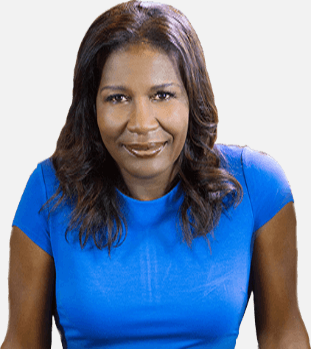
By: (Joy Stephenson-Laws, JD, Founder)
My son could explain his trauma better than many people who treat it. He was twenty-eight and had been in therapy for years. He could tell you what the amygdala does, what happens to the prefrontal cortex under threat, and what PTSD does to the brain. He still had panic attacks. He was still anxious, and the depression would not lift.
Watching him, I understood that knowing about a feeling and feeling it are two separate pieces of work, and he had only been allowed to do the first. Then I had to look at where that started. Some of it started with me.
What I said to him
When my son was five or six, he would cry or get angry when he was treated unfairly, and he got angry about racism. I answered with the phrases I had grown up with: "Look on the bright side." "Be positive." "Don't focus on the bad."
I learned those phrases from my mother. "Always look on the bright side of things." "Just make sure you get a good education." "The glass is half full, not half empty." That last one was my favorite as a child. I repeated it to myself whenever something hurt, and I believed it made me strong.
In a way it did. I built a career on that approach. I did everything I set out to do and checked every box. Then, years in, I realized I was not happy. I had the career and the life that looked good from the outside, and I felt disconnected from myself. My blood pressure started to climb, and I put it down to age. I now think years of pushing my feelings aside played a part.
I did not see any of this while I was raising my son. I saw my success, concluded that the approach worked, and passed it on.
What the phrases skipped
I now teach a method I call Feel. Pause. Act. Feel means acknowledging the feeling as information. Pause means stopping long enough to ask what the feeling is telling you. Act means responding from that clarity.
Looking back, "look on the bright side" asks a child to go straight to the third step. It skips the feeling and the pause and hands him a conclusion. An adult who has felt the hurt and thought about it can choose to look on the bright side, and that choice can help. I do it now. A five-year-old has not yet built the ability to calm himself. That ability grows over years, and it grows with the help of the adults around him. My son needed me to help him with the first two steps. I handed him the third and told him to skip the rest.
The phrases were sound advice given at the wrong time and in the wrong order.
What he learned instead
What my son learned was that his feelings were something to get past quickly. So when he was abused, before he turned ten, he did what he had been taught. He kept it to himself. He felt ashamed, and he believed no one would listen. He carried that secret for many years.
I taught him this the way my mother taught me, by repeating advice I believed was good.
Later, my son found other ways to stop feeling. He drank, used drugs and gained weight, and there were times he felt detached from his own body. Each of those kept away what he could not face. When he got sober, everything he had pushed down came back at once. He had never practiced feeling hard things a little at a time, so it overwhelmed him.
What helps him
Understanding his trauma had not healed it. What helped was learning to stay with his feelings long enough to know what they were, while he felt safe enough to do it. He needed two things: to be physically safe, and to have permission to feel. In Feel. Pause. Act. terms, he had to go back and do the two steps he had been told to skip.
He is healing now. He will tell his own story soon, in his own words, and his account of what he survived and what recovery took will matter more than mine. He has given me permission to share this part.
The books that came from this
Secrets That Sparkle (and Secrets That Sting) is for the child I wish I had raised differently, and for the adults raising them. It teaches children that their feelings are information, that a secret which feels bad to keep is worth telling, and that there are trusted adults they can tell. A child who learns that early has a better chance of speaking up when it matters, instead of carrying it alone the way my son did.
From Chains to Wings is for adults like my son and like me, who learned early to push feelings aside and now have to learn to feel them. It is where the method I now call Feel. Pause. Act. first took shape. The poems and the companion workbook are about going back to what we were told to skip, feeling it, and giving ourselves the pause we never had.
What I would say to parents now
Before you tell a child to look on the bright side, ask what he is feeling and let him tell you. Stay with him while he feels it, and help him name it. When he is calmer, ask what he thinks the feeling was about. The bright side can come after that, if it comes at all, and it will mean more because he reached it himself.
I said those phrases to my son with love, and they still did harm. That is hard for me to write. It is also why I teach what I teach. It is never too late to learn a different order: feel first, pause, and then act.
Joy Stephenson-Laws, J.D., is a healthcare attorney with over 40 years of experience championing fairness in the healthcare system. She is the founder of Proactive Health Labs (pH Labs), a national non-profit that now embraces a holistic approach to well-being—body, mind, heart, and spirit. As a certified holistic wellness coach, she helps individuals and families create practical, lasting health strategies. Her own experiences as a mother inspired her to write resources that spark important conversations about safety and wellness.