
A Normal TSH Does Not Always Rule Out Hashimoto's
What Standard Thyroid Testing Can — and Cannot — Tell You
By: Joy Stephenson-Laws, JD, Founder
If you have unexplained fatigue, brain fog, weight changes, hair thinning, constipation, sensitivity to cold, or persistent low energy — and your doctor has told you your thyroid tests are "normal" — there is an important distinction many patients are never told:
A normal TSH does not always rule out autoimmune thyroid disease.
This is not a fringe claim. It is well-established in endocrinology literature that autoimmune thyroiditis — most commonly Hashimoto's thyroiditis — can exist for years before thyroid hormone levels become abnormal enough to trigger a diagnosis of hypothyroidism.
That matters because the disease process may already be underway long before standard screening detects it.
The Difference Between Thyroid Function and Thyroid Autoimmunity
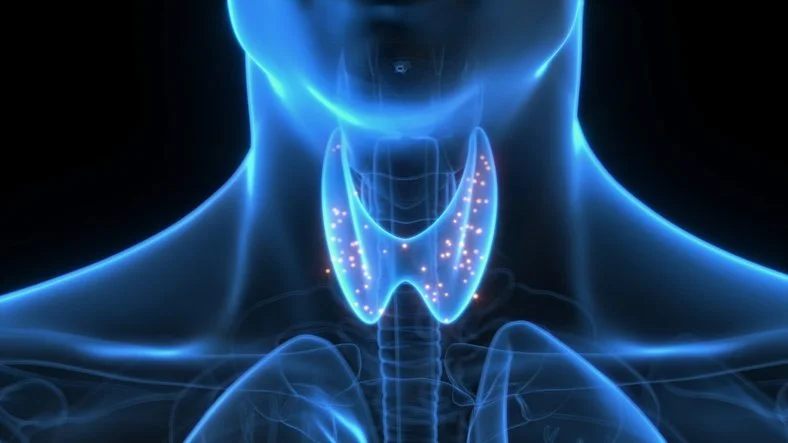
Hashimoto's thyroiditis is a common autoimmune thyroid disease and the leading cause of hypothyroidism in iodine-sufficient countries. In Hashimoto's, the immune system mistakenly targets thyroid tissue, producing antibodies that gradually damage the gland over time.
The two primary antibodies involved are:
Thyroid peroxidase antibodies (TPO antibodies)
Thyroglobulin antibodies (Tg antibodies)
These antibodies can be elevated years before thyroid hormone production declines enough to produce an abnormal TSH result.
That distinction is critical:
TSH measures thyroid function
Thyroid antibodies measure thyroid autoimmunity
Those are not the same thing.
What TSH Does — and Does Not — Tell You
TSH (thyroid stimulating hormone) is produced by the pituitary gland in the brain, not by the thyroid itself. When the brain senses that thyroid hormone levels are falling, it releases more TSH to signal the thyroid to work harder.
TSH is a valuable first-line screening test. In fact, professional endocrine guidelines consider it the best single screening test for primary thyroid dysfunction in most outpatient settings.
But TSH has limitations.
It does not directly measure whether the immune system is attacking the thyroid gland. It measures whether thyroid hormone production has fallen enough that the brain has started compensating.
In autoimmune thyroid disease, that compensatory stage may occur relatively late in the process.
What the Research Shows
One of the largest U.S. population studies on thyroid disease — the NHANES III study published in the Journal of Clinical Endocrinology & Metabolism — found that thyroid antibodies were present in a significant portion of the population, while overt hypothyroidism was far less common.
This gap matters because it represents people with evidence of thyroid autoimmunity who may not yet meet standard laboratory criteria for hypothyroidism.
Long-term follow-up studies have also shown that positive thyroid antibodies increase the future risk of developing hypothyroidism over time. The Whickham Survey, a 20-year follow-up study, demonstrated that women with both positive thyroid antibodies and elevated TSH at baseline had substantially increased long-term risk of developing hypothyroidism. Antibody positivity alone also conferred increased — though more modest — risk.
The key takeaway is this:
A normal TSH does not necessarily exclude autoimmune thyroid disease. It primarily indicates that thyroid hormone levels are still being maintained within the reference range.
What This Often Looks Like Clinically
The pattern is common:
A woman in her thirties, forties, or fifties develops symptoms such as fatigue, brain fog, hair thinning, constipation, weight changes, cold intolerance, or menstrual changes.
A TSH test is ordered.
The result falls within the laboratory reference range.
She is told her thyroid is "fine."
Sometimes the symptoms are attributed to stress, aging, anxiety, depression, poor sleep, or perimenopause. Sometimes those explanations are accurate. Sometimes they are incomplete.
The important point is not that physicians are careless. The issue is that standard screening protocols are designed primarily to detect clinically significant thyroid hormone dysfunction — not necessarily early autoimmune thyroiditis.
When Additional Testing May Be Reasonable
If symptoms persist despite a normal TSH, it may be reasonable to discuss additional thyroid evaluation with a qualified clinician.
Tests sometimes considered include:
TSH
Free T4
TPO antibodies
Thyroglobulin antibodies (in selected cases)
In some situations, a thyroid ultrasound may also be appropriate, particularly if there is thyroid enlargement, nodules, or suspected autoimmune thyroiditis despite negative antibody testing.
Free T3 testing may occasionally be helpful in selected situations, though it is not considered a primary screening test for hypothyroidism.
Routine reverse T3 testing, however, is not recommended by most professional endocrine guidelines for standard outpatient thyroid evaluation.
Why Early Identification Can Matter
Identifying autoimmune thyroid disease earlier may allow patients and clinicians to monitor thyroid function more closely and address factors associated with thyroid health.
Research has explored several potentially relevant factors:
Selenium
Some studies suggest selenium supplementation may reduce TPO antibody levels in certain patients with Hashimoto's thyroiditis. However, whether this translates into meaningful long-term clinical outcomes remains uncertain.
Importantly, excessive selenium intake can be harmful, so supplementation should be individualized and medically supervised.
Vitamin D
Low vitamin D levels are associated with several autoimmune conditions in observational studies, though the relationship may reflect general health status rather than a specific thyroid effect. Vitamin D status is straightforward to measure and address as part of general health, separate from any specific thyroid implication.
Gluten and Celiac Disease
Autoimmune thyroid disease and celiac disease are known to occur together more frequently than expected by chance alone. In patients with confirmed celiac disease, strict gluten avoidance may reduce thyroid antibody activity.
For people without celiac disease, evidence supporting gluten elimination for Hashimoto's remains limited and controversial.
Iodine
While iodine is essential for thyroid hormone production, excessive iodine intake may worsen autoimmune thyroiditis in susceptible individuals. High-dose iodine supplementation is not universally benign and can sometimes aggravate autoimmune thyroid disease.
Stress and Immune Function
Chronic stress affects multiple hormonal and immune pathways throughout the body. While stress alone does not "cause" Hashimoto's, it may influence immune regulation and symptom burden in some individuals.
What To Do If Your TSH Is Normal but Symptoms Persist
If something feels wrong despite "normal" labs, reasonable next steps may include:
1. Discussing a broader thyroid evaluation with your healthcare provider
2. Reviewing thyroid antibody testing if clinically appropriate
3. Evaluating other common contributors to fatigue and brain fog, including anemia, sleep disorders, nutritional deficiencies, menopause, depression, autoimmune disease, and metabolic conditions
4. Avoiding the assumption that one normal screening test explains every symptom
Symptoms matter.
Lab tests matter too.
Understanding what a test is designed to measure — and what it is not — is part of being an informed participant in your own care.
The Bigger Issue
Modern medical screening is often designed to identify disease once it reaches clinically actionable thresholds. That approach works well for many conditions.
But autoimmune diseases frequently develop gradually.
There can be a meaningful period between:
the beginning of an autoimmune process, and
the point at which standard laboratory abnormalities become obvious.
Understanding that distinction changes the conversation.
It changes the questions patients ask.
And it changes how people interpret symptoms that persist despite "normal" initial testing.
Your body may be telling you something important even when one screening marker falls within range. The answer is not panic. The answer is thoughtful, evidence-based investigation.
Joy Stephenson-Laws, JD, is the founding and managing partner of Stephenson, Acquisto & Colman, a healthcare litigation firm, and the founder and president of Proactive Health Labs, a national nonprofit focused on evidence-based health literacy. A healthcare attorney for more than forty years and a certified holistic wellness coach, she writes about how people can partner with their doctors without surrendering their own judgment.
Her books include Your Labs Are Fine. You're Not., Advice on Trial: The Beliefs You Inherited but Never Examined, From Chains to Wings: A Poetry Revolution for Healing, Secrets That Sparkle (and Secrets That Sting), and Minerals: The Forgotten Nutrient.
RESOURCES AND REFERENCES
Hollowell JG, et al. Serum TSH, T4, and thyroid antibodies in the United States population (1988 to 1994): National Health and Nutrition Examination Survey (NHANES III). Journal of Clinical Endocrinology & Metabolism. 2002;87(2):489-499.
Vanderpump MP, et al. The incidence of thyroid disorders in the community: a twenty-year follow-up of the Whickham Survey. Clinical Endocrinology. 1995;43(1):55-68.
McLeod DSA, Cooper DS. The incidence and prevalence of thyroid autoimmunity. Endocrine. 2012;42(2):252-265.
Wichman J, et al. Selenium supplementation significantly reduces thyroid autoantibody levels in patients with chronic autoimmune thyroiditis: a systematic review and meta-analysis. Thyroid. 2016;26(12):1681-1692.
Krysiak R, Szkróbka W, Okopień B. The effect of vitamin D and selenium cosupplementation on thyroid autoimmunity and thyroid function in women with Hashimoto's thyroiditis. Pharmacological Reports. 2019;71(2):243-247.
Lerner A, Jeremias P, Matthias T. Gut-thyroid axis and celiac disease. Endocrine Connections. 2017;6(4):R52-R58.
Burek CL, Talor MV. Environmental triggers of autoimmune thyroiditis. Journal of Autoimmunity. 2009;33(3-4):183-189.
American Thyroid Association — Hashimoto's Thyroiditis
National Institute of Diabetes and Digestive and Kidney Diseases — Hashimoto's Disease
(This article is for educational purposes only and is not medical advice. Decisions regarding testing, diagnosis, and treatment should be made with a qualified healthcare professional familiar with your individual medical history. Proactive Health Labs is a 501(c)(3) nonprofit health education organization. Clinical services at our Sherman Oaks location, including IV therapy and targeted supplementation, are provided as part of integrated medical care based on individual evaluation. Educational content on this site is independent of our clinical services).